

If a label says “mushroom extract,” how much ergothioneine are you getting? The ingredient label can tell you what you’re taking. Human studies can help answer what happens after you take it.
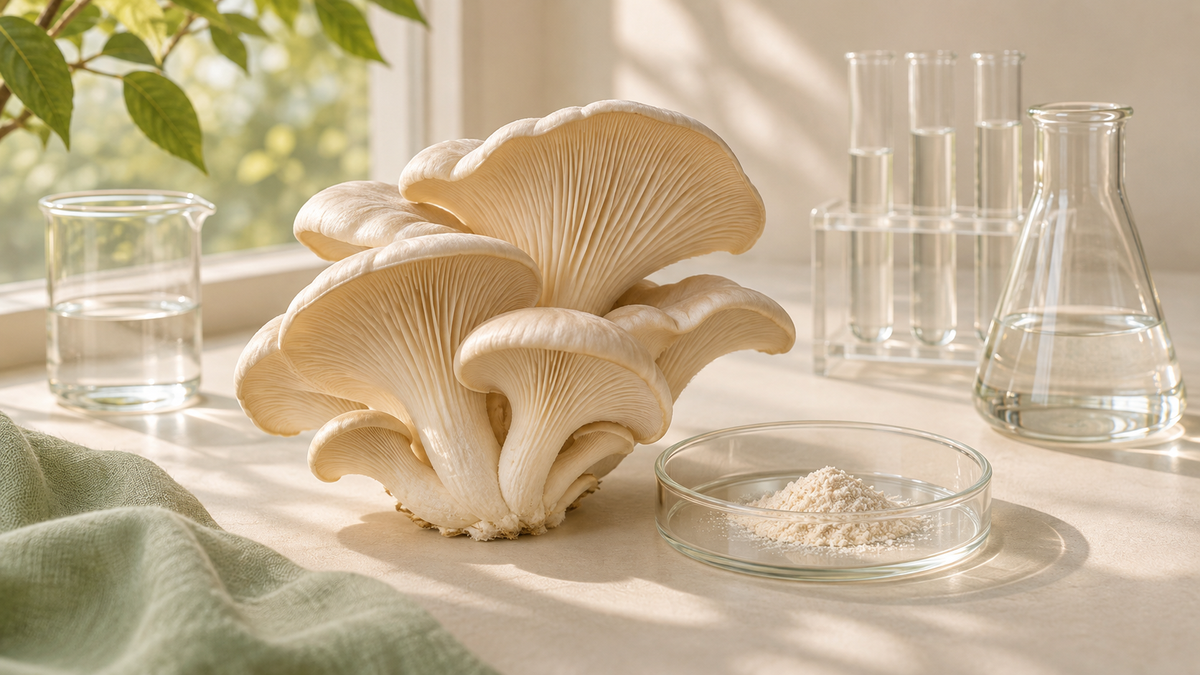
Mushrooms are a food source. Ingredients can be made several ways.
L-ergothioneine is a sulfur-containing derivative of histidine. The human body cannot make it, so we get it from foods such as edible mushrooms. Some fungi and bacteria produce this molecule, and researchers have also engineered yeast to make it.
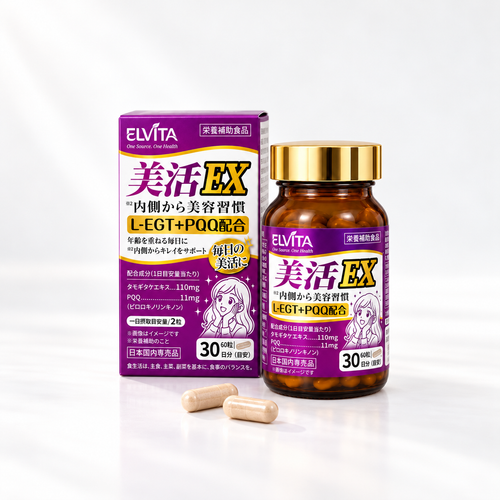
Extraction, fermentation and chemical synthesis are different routes to producing the ingredient. When reading a label, look for the amount of L-ergothioneine per serving. The weight of an extract includes its other constituents. Batch test results can give you more information about the ingredient’s identity, concentration and impurities.
What happens after absorption?
Scientists have identified a transporter that helps cells take up ergothioneine. A short human study also observed that people absorbed and retained it after taking it orally. To understand whether this leads to a health benefit, look at what a controlled trial actually measured.
For example, one randomized controlled trial reported an improvement in self-rated sleep quality in the group taking ergothioneine. That finding reflects how participants rated their sleep and needs independent confirmation. Three questions help put it in context: Who took part? What did the researchers measure? Has another team reproduced the finding?
Read the label alongside the research
Batch testing helps establish what you are taking and how much. Human studies show what changed under specific conditions. Together, they help you judge how far the evidence behind an article or a product description actually goes.
0 comments