

1. What Does “Antioxidant” Mean?
Antioxidant is a word that appears often in beauty and wellness content.
Broadly speaking, antioxidant activity refers to mechanisms related to managing or limiting oxidative reactions.
The body uses oxygen every day as part of essential biological processes.
Many chemical reactions take place as part of normal metabolism.
Oxidation itself is a natural process.
So it is not accurate to think:
“Oxidation is always bad.”
What matters is the balance of different processes in the body.
2. What Is Oxidative Stress?
As part of normal metabolism, the body produces reactive oxygen species and many other compounds.
At the same time, it has multiple systems that help regulate and manage those processes.
When the balance shifts and oxidative burden increases, researchers often use the term oxidative stress.
Factors frequently discussed in oxidative-stress research include:
- UV exposure
- smoking
- excessive alcohol intake
- insufficient sleep
- irregular routines
- physical and psychological stress
The body is highly complex, and oxidative stress is never determined by one factor alone.
Age, diet, environment, and lifestyle can all contribute.
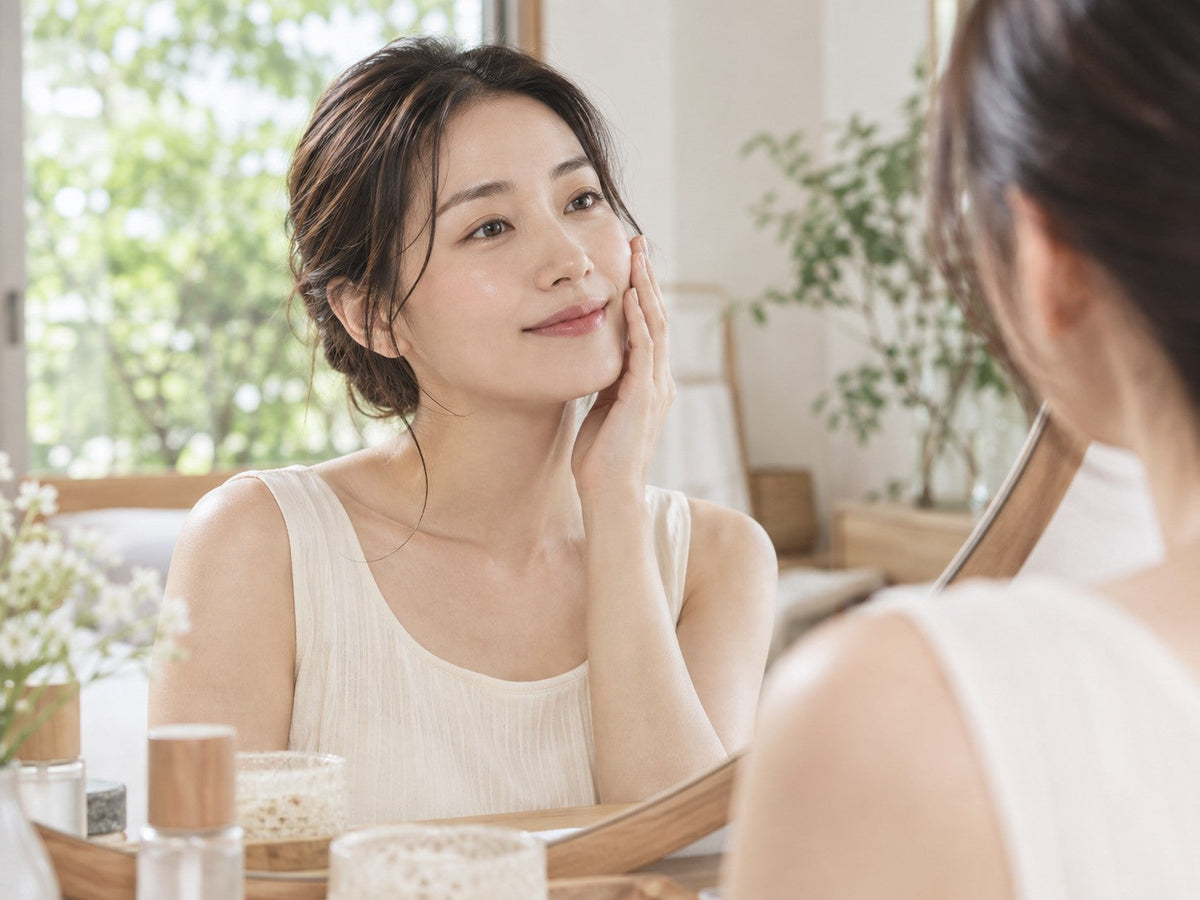
3. Why Is Antioxidant Research Relevant to Beauty?
Skin is one of the body’s main interfaces with the outside environment.
Every day, it is affected by factors such as:
UV exposure
dryness
temperature changes
lifestyle habits
For that reason, beauty research often looks at the relationship between oxidative stress and skin condition.
In recent years, beauty routines have also expanded beyond topical skincare to include nutrition, sleep, and physical activity—sometimes described as inner beauty or beauty from within.
That does not mean eating one food or taking one ingredient will noticeably change the skin.
Beauty is influenced by the overall lifestyle.
4. Which Nutrients Are Commonly Studied in Antioxidant Research?
Many nutrients in food are studied for their relationship with oxidative processes.
Common examples include:
- vitamin C
- vitamin E
- carotenoids
- polyphenols
Other nutrients attracting attention include:
L-ergothioneine
ellagic acid
These compounds are also being studied in relation to oxidative stress.
However, their chemical structures and biological mechanisms are different.
It is better to understand each ingredient individually rather than treating everything labeled “antioxidant” as the same.
5. What Can You Focus on in Your Diet?
When people hear “antioxidants,” the first question is often:
“Which ingredient should I take?”
But the most important place to start is overall dietary balance.
Eat a Variety of Colors
Include different vegetables and fruits—green, red, yellow, purple, and more.
Enjoy Fruit in Moderation
Berries, citrus fruit, and other varieties can all be part of a balanced diet.
Do Not Forget Protein
Beauty and wellness also depend on adequate protein from fish, meat, eggs, legumes, and other sources.
Avoid Extreme Diets
A varied pattern of eating is generally more sustainable than consuming excessive amounts of one food.
Instead of chasing one “special ingredient,” improve the overall quality of what you eat.
That is a more sustainable foundation for long-term wellness.
6. Sun Protection Matters Too
When discussing beauty and oxidative stress, UV protection is important.
UV exposure occurs throughout the year.
Useful habits include:
- using sunscreen
- wearing a hat
- using a parasol or shade when appropriate
- avoiding prolonged intense sun exposure
External protection matters alongside nutrition.
7. Sleep and Movement Are Part of Beauty Too
Beauty routines often focus on skincare and diet.
But these habits matter as well:
sleep
physical activity
rest
Insufficient sleep can affect how you feel the next day and may also influence appetite, food choices, and activity levels.
Regular movement can help support a more consistent daily rhythm.
You do not need to change everything at once.
Start with small habits you can realistically maintain.
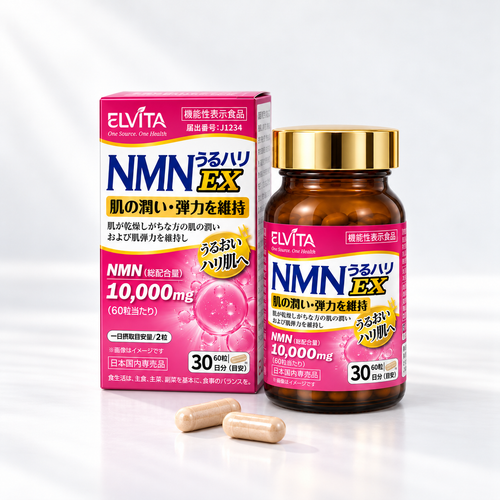
8. Don’t Choose a Product Just Because It Says “Antioxidant”
Some foods and beauty products use antioxidant-related language in marketing.
But do not choose a product based on that phrase alone. Check:
- which ingredients are actually included
- how much is included
- what type of product it is
- recommended daily intake
- ingredient source
- quality control
Research on an individual ingredient does not automatically mean every product containing that ingredient has the same effects.
Ingredient research and product-specific claims should be considered separately.
9. Summary
“Antioxidant” is a broad concept used when discussing oxidative processes in the body.
Oxidation is a normal part of life, while oxidative balance remains an important topic in beauty and wellness research.
In everyday life, the habits worth prioritizing are:
a balanced diet
sun protection
adequate sleep
regular physical activity
Rather than putting all your expectations on one ingredient, build the basics consistently over time.
ELVITA JOURNAL will continue to share practical information on beauty, nutrition, and everyday wellness.
Important Note
※This article is provided for general beauty, health, and nutrition information only and does not guarantee the effects or benefits of any specific product or ingredient.
※It is not intended to diagnose, treat, or prevent disease.
0 comments