What Is Tamogitake? Why This Hokkaido-Grown Mushroom Is Drawing Attention

タモギタケとは?北海道産素材として注目される理由をわかりやすく解説

1. What Is Tamogitake?

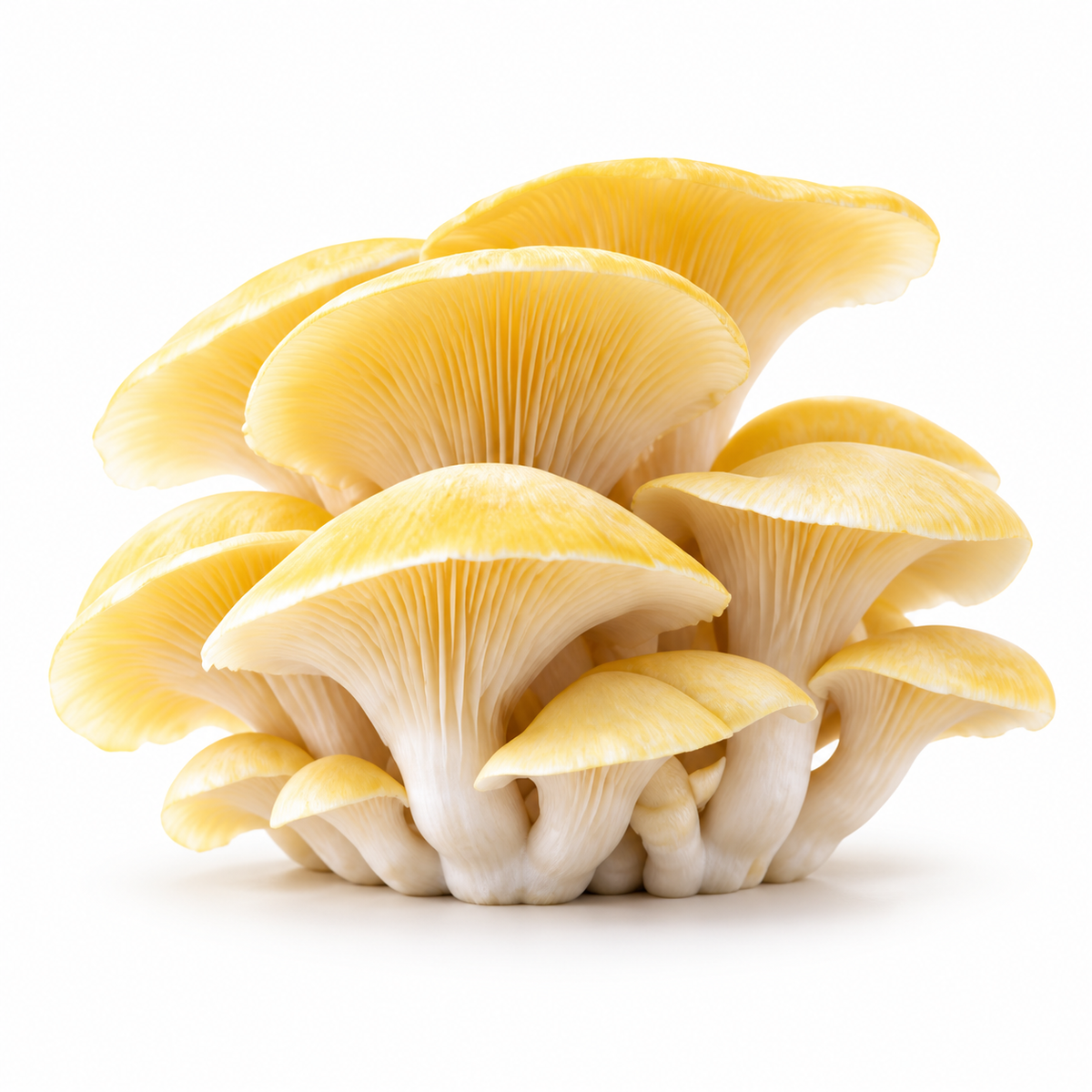
Tamogitake, also known as the golden oyster mushroom, is a type of mushroom known for its vivid yellow cap.

It is cultivated in Hokkaido and other regions of Japan and is enjoyed as an edible mushroom. In recent years, interest has also grown around the compounds it naturally contains.

Research has paid particular attention to mushroom-derived components such as:

ergothioneine

beta-glucans

Health-food products may use the mushroom itself or extracts made from Tamogitake.

However, it would be too simplistic to say that eating Tamogitake will automatically produce a specific health effect.

It is important to separate the nutritional characteristics of the food from research on individual compounds found within it.


2. What Kind of Mushroom Is Tamogitake?

Compared with many familiar white or brown mushrooms, Tamogitake stands out because of its bright yellow appearance.

Fresh Tamogitake can be used in many dishes, including:

  • soups
  • stir-fries
  • hot pots
  • seasoned rice dishes

Different mushrooms vary in aroma, texture, and nutrient composition.

Tamogitake is therefore studied not only as an unusual yellow mushroom, but also for the compounds it contains.


3. Ergothioneine: One of Its Most Studied Compounds

One compound frequently discussed in relation to Tamogitake is ergothioneine.

Ergothioneine is a naturally occurring amino-acid-related compound found in certain foods.

Mushrooms are among the food groups known to contain ergothioneine.

In recent years, research has explored its relationship with areas such as:

  • oxidative stress
  • aging
  • the nervous system
  • cognitive health

That does not mean that ergothioneine can simply be described as an ingredient that improves memory.

Studies are conducted under specific conditions involving participant groups, amounts, duration, and ingredient sources. Those findings do not automatically apply to every product containing the same ingredient name.


4. Why Is It Being Studied in Memory and Cognitive Health?

As people get older, some may notice things such as:

having trouble recalling a person’s name right away.

forgetting where something was placed.

feeling that concentration is not as easy as before.

This has led to growing research interest in lifestyle habits and nutrients associated with cognition and memory.

Compounds found in Tamogitake have also been studied in this context.

Ergothioneine in particular has attracted research interest because of its biological characteristics and its relationship with oxidative stress.

However, this does not mean that consuming Tamogitake will necessarily improve memory.

It is better understood as a food ingredient containing compounds that are still being researched.


5. Are Tamogitake and L-Ergothioneine the Same Thing?

No. Tamogitake and L-ergothioneine are not the same thing.

Tamogitake
→ a mushroom and food ingredient

L-ergothioneine
→ a compound found in certain foods, including Tamogitake

A simple way to think about it is that ergothioneine is one of the compounds naturally found in Tamogitake.

Health-food products may be designed in different ways. Some use Tamogitake extract, while others use ingredients standardized for a specified ergothioneine content.

When comparing products, look beyond the word “Tamogitake” and check what the product actually contains and in what amount.


6. Other Mushroom Components, Including Beta-Glucans

Mushrooms contain many compounds in addition to ergothioneine.

One familiar example is beta-glucan.

Beta-glucans are a type of polysaccharide found in mushrooms, yeast, and other sources.

However, beta-glucans can differ depending on their source and molecular structure.

So not every product containing beta-glucan should be treated as equivalent.

When evaluating a health-food product, it can be useful to check:

ingredient source.

origin.

amount included.

extraction method.


7. Why Hokkaido-Grown Tamogitake Draws Attention

Tamogitake is cultivated in Hokkaido.

For health foods, where an ingredient comes from can be one useful part of understanding the product.

Information worth checking may include:

  • ingredient origin
  • cultivation environment
  • post-harvest processing
  • extraction method
  • quality control

The phrase “Hokkaido-grown” alone does not determine the entire quality of a product.

Still, clear traceability of ingredient origin is an important piece of product information.

For the Tamogitake ingredients used by ELVITA, we also place importance on communicating origin and quality information as clearly as possible.


8. Memory Health Is About More Than One Ingredient

When thinking about memory or concentration, it is easy to focus only on:

“What should I take?”

But everyday cognitive wellbeing is connected with many lifestyle factors, including:

sleep

physical activity

nutrition

communication with other people

continuing to learn new things

For example, ongoing sleep deprivation, long periods of sitting, irregular meals, or very little physical activity can all affect how focused you feel during the day.

Learning about wellness ingredients can be useful, but it should go alongside a review of your everyday habits.


9. Sleep Matters for Memory and Concentration Too

Busy schedules can make it tempting to cut back on sleep in order to keep working or studying.

But sleep is also an important part of everyday life when thinking about memory and concentration.

Start with the basics:

make enough time for sleep

avoid shifting your wake-up time too dramatically

review screen time before bed

Before adding a new ingredient, it is also worth checking whether you are simply not getting enough sleep.


10. Keep Your Body Moving

Regular movement is another important part of a healthy routine.

You do not need to begin a special training program.

Simple options include:

taking a 20-minute walk

using the stairs

breaking up long periods of sitting

doing light stretching

When thinking about healthy aging, it is better to look at your overall lifestyle than to focus on one ingredient alone.


11. What to Check When Choosing a Tamogitake Product

If you are considering a health food made with Tamogitake, review details such as:

  • where the Tamogitake was grown
  • the form of the ingredient
  • amount of Tamogitake extract
  • information on compounds such as ergothioneine
  • suggested daily intake
  • other ingredients in the formula
  • manufacturing conditions
  • quality-control information

A simple statement such as “contains Tamogitake” may not provide enough information to compare products meaningfully.

Look beyond large numbers and strong marketing phrases. Check the full ingredient list and product information.


12. Do Not Judge a Product Only by “Memory” Claims

Health foods related to cognition may use words such as:

“memory”

“cognition”

“focus”

But the fact that a product contains an ingredient that has been researched does not mean the finished product automatically produces the same effects.

Useful questions include:

Which ingredient was actually studied?

What amount was used?

Who participated in the study?

Does the commercial product match the study conditions?

With health information, it is important to separate research findings from finished-product claims.


13. Summary

Tamogitake is a bright yellow mushroom cultivated in Hokkaido and other areas.

It is studied as a food source of compounds such as:

ergothioneine

beta-glucans

Ergothioneine in particular is being researched in relation to oxidative stress, aging, the nervous system, and cognitive health.

At the same time, this does not mean that consuming Tamogitake will necessarily improve memory.

Everyday wellness still begins with:

sleep

nutrition

movement

a sustainable daily rhythm

Understanding foods and wellness ingredients accurately is most useful when combined with these basics.

ELVITA JOURNAL will continue to share clear information about Tamogitake and other emerging ingredients, as well as lifestyle habits related to memory and concentration.


Important Note

※This article provides general information about food, nutrition, and health. It does not guarantee effects on memory, cognitive function, or other outcomes from any specific product or ingredient.
※It is not intended to diagnose, treat, or prevent disease.

0 comments

Leave a comment

成分ガイド

What Is Tamogitake? Why This Hokkaido-Grown Mushroom Is Drawing Attention

ELVITA 編集部Kevin14 min read
タモギタケとは?北海道産素材として注目される理由をわかりやすく解説

Tamogitake, also known as the golden oyster mushroom, is a vivid yellow mushroom cultivated in Hokkaido and studied for compounds including ergothioneine and beta-glucans. Learn what the research does—and does not—tell us, plus what to check when comparing products.

1. What Is Tamogitake?

Tamogitake, also known as the golden oyster mushroom, is a type of mushroom known for its vivid yellow cap.

It is cultivated in Hokkaido and other regions of Japan and is enjoyed as an edible mushroom. In recent years, interest has also grown around the compounds it naturally contains.

Research has paid particular attention to mushroom-derived components such as:

ergothioneine

beta-glucans

Health-food products may use the mushroom itself or extracts made from Tamogitake.

However, it would be too simplistic to say that eating Tamogitake will automatically produce a specific health effect.

It is important to separate the nutritional characteristics of the food from research on individual compounds found within it.


2. What Kind of Mushroom Is Tamogitake?

Compared with many familiar white or brown mushrooms, Tamogitake stands out because of its bright yellow appearance.

Fresh Tamogitake can be used in many dishes, including:

  • soups
  • stir-fries
  • hot pots
  • seasoned rice dishes

Different mushrooms vary in aroma, texture, and nutrient composition.

Tamogitake is therefore studied not only as an unusual yellow mushroom, but also for the compounds it contains.


3. Ergothioneine: One of Its Most Studied Compounds

One compound frequently discussed in relation to Tamogitake is ergothioneine.

Ergothioneine is a naturally occurring amino-acid-related compound found in certain foods.

Mushrooms are among the food groups known to contain ergothioneine.

In recent years, research has explored its relationship with areas such as:

  • oxidative stress
  • aging
  • the nervous system
  • cognitive health

That does not mean that ergothioneine can simply be described as an ingredient that improves memory.

Studies are conducted under specific conditions involving participant groups, amounts, duration, and ingredient sources. Those findings do not automatically apply to every product containing the same ingredient name.


4. Why Is It Being Studied in Memory and Cognitive Health?

As people get older, some may notice things such as:

having trouble recalling a person’s name right away.

forgetting where something was placed.

feeling that concentration is not as easy as before.

This has led to growing research interest in lifestyle habits and nutrients associated with cognition and memory.

Compounds found in Tamogitake have also been studied in this context.

Ergothioneine in particular has attracted research interest because of its biological characteristics and its relationship with oxidative stress.

However, this does not mean that consuming Tamogitake will necessarily improve memory.

It is better understood as a food ingredient containing compounds that are still being researched.


5. Are Tamogitake and L-Ergothioneine the Same Thing?

No. Tamogitake and L-ergothioneine are not the same thing.

Tamogitake
→ a mushroom and food ingredient

L-ergothioneine
→ a compound found in certain foods, including Tamogitake

A simple way to think about it is that ergothioneine is one of the compounds naturally found in Tamogitake.

Health-food products may be designed in different ways. Some use Tamogitake extract, while others use ingredients standardized for a specified ergothioneine content.

When comparing products, look beyond the word “Tamogitake” and check what the product actually contains and in what amount.


6. Other Mushroom Components, Including Beta-Glucans

Mushrooms contain many compounds in addition to ergothioneine.

One familiar example is beta-glucan.

Beta-glucans are a type of polysaccharide found in mushrooms, yeast, and other sources.

However, beta-glucans can differ depending on their source and molecular structure.

So not every product containing beta-glucan should be treated as equivalent.

When evaluating a health-food product, it can be useful to check:

ingredient source.

origin.

amount included.

extraction method.


7. Why Hokkaido-Grown Tamogitake Draws Attention

Tamogitake is cultivated in Hokkaido.

For health foods, where an ingredient comes from can be one useful part of understanding the product.

Information worth checking may include:

  • ingredient origin
  • cultivation environment
  • post-harvest processing
  • extraction method
  • quality control

The phrase “Hokkaido-grown” alone does not determine the entire quality of a product.

Still, clear traceability of ingredient origin is an important piece of product information.

For the Tamogitake ingredients used by ELVITA, we also place importance on communicating origin and quality information as clearly as possible.


8. Memory Health Is About More Than One Ingredient

When thinking about memory or concentration, it is easy to focus only on:

“What should I take?”

But everyday cognitive wellbeing is connected with many lifestyle factors, including:

sleep

physical activity

nutrition

communication with other people

continuing to learn new things

For example, ongoing sleep deprivation, long periods of sitting, irregular meals, or very little physical activity can all affect how focused you feel during the day.

Learning about wellness ingredients can be useful, but it should go alongside a review of your everyday habits.


9. Sleep Matters for Memory and Concentration Too

Busy schedules can make it tempting to cut back on sleep in order to keep working or studying.

But sleep is also an important part of everyday life when thinking about memory and concentration.

Start with the basics:

make enough time for sleep

avoid shifting your wake-up time too dramatically

review screen time before bed

Before adding a new ingredient, it is also worth checking whether you are simply not getting enough sleep.


10. Keep Your Body Moving

Regular movement is another important part of a healthy routine.

You do not need to begin a special training program.

Simple options include:

taking a 20-minute walk

using the stairs

breaking up long periods of sitting

doing light stretching

When thinking about healthy aging, it is better to look at your overall lifestyle than to focus on one ingredient alone.


11. What to Check When Choosing a Tamogitake Product

If you are considering a health food made with Tamogitake, review details such as:

  • where the Tamogitake was grown
  • the form of the ingredient
  • amount of Tamogitake extract
  • information on compounds such as ergothioneine
  • suggested daily intake
  • other ingredients in the formula
  • manufacturing conditions
  • quality-control information

A simple statement such as “contains Tamogitake” may not provide enough information to compare products meaningfully.

Look beyond large numbers and strong marketing phrases. Check the full ingredient list and product information.


12. Do Not Judge a Product Only by “Memory” Claims

Health foods related to cognition may use words such as:

“memory”

“cognition”

“focus”

But the fact that a product contains an ingredient that has been researched does not mean the finished product automatically produces the same effects.

Useful questions include:

Which ingredient was actually studied?

What amount was used?

Who participated in the study?

Does the commercial product match the study conditions?

With health information, it is important to separate research findings from finished-product claims.


13. Summary

Tamogitake is a bright yellow mushroom cultivated in Hokkaido and other areas.

It is studied as a food source of compounds such as:

ergothioneine

beta-glucans

Ergothioneine in particular is being researched in relation to oxidative stress, aging, the nervous system, and cognitive health.

At the same time, this does not mean that consuming Tamogitake will necessarily improve memory.

Everyday wellness still begins with:

sleep

nutrition

movement

a sustainable daily rhythm

Understanding foods and wellness ingredients accurately is most useful when combined with these basics.

ELVITA JOURNAL will continue to share clear information about Tamogitake and other emerging ingredients, as well as lifestyle habits related to memory and concentration.


Important Note

※This article provides general information about food, nutrition, and health. It does not guarantee effects on memory, cognitive function, or other outcomes from any specific product or ingredient.
※It is not intended to diagnose, treat, or prevent disease.

※This article is provided for general health and nutrition information only and does not guarantee the effects or benefits of any specific product.

※It is not intended to diagnose, treat, or prevent disease.

Related ELVITA Products

L-EGT EX 60 Capsules

L-EGT EX 60 Capsules

L-EGT EX | Daily Nutrition for a Clear, Focused Routine An ELVITA dietary supplement formulated with golden oyster mushroom extract and PQQ. Designed for people who value readin...
View Product