What Should You Eat for Better Gut Health? Everyday Habits That Are Easy to Maintain

腸内環境を整えるために意識したい食生活とは?毎日続けやすい腸活の基本

1. Gut Health Is About More Than One Food

When people think about gut health, they often think of things like:

eating yogurt

taking lactic acid bacteria

Fermented foods and beneficial bacteria can certainly be useful topics to explore, but your gut environment is not determined by one food alone.

A wide variety of microorganisms live in the digestive tract, and their composition can be influenced by many factors, including:

  • age
  • sleep
  • physical activity
  • stress
  • daily routines
  • medication use

So rather than thinking only about “adding one special food”, it is more helpful to gradually improve the overall pattern of your everyday diet.


2. Start With Dietary Fiber

Dietary fiber is one of the best-known nutrients associated with digestive health.

It is found in foods such as:

  • vegetables
  • fruit
  • beans and legumes
  • seaweed
  • mushrooms
  • whole grains and other grains

There are different types of dietary fiber, and different foods provide different forms.

Rather than eating large amounts of just one vegetable, try adding variety across the day.

For example:

fruit at breakfast.

vegetables at lunch.

mushrooms or seaweed at dinner.

Small increases in variety can be easier to maintain than a complete diet overhaul.


3. Include Fermented Foods in a Way That Suits You

Japanese diets have long included many fermented foods, including:

  • yogurt
  • natto
  • miso
  • pickled vegetables
  • cheese

Different fermented foods involve different microorganisms and production methods.

It is important to remember that “fermented” does not always mean “rich in live lactic acid bacteria.”

Heat treatment and manufacturing methods can affect the state of microorganisms in the final food.

Even so, fermented foods can be a useful way to add more variety to your diet.

There is no need to force yourself to eat large amounts. Choose foods you genuinely enjoy and can include consistently.


4. Add More Variety to Your Plate

Busy schedules can make meals repetitive.

The same breakfast.

A similar lunch.

A familiar dinner.

That is not necessarily a problem, but adding a little more variety can be helpful when thinking about both nutrition and gut health.

Simple ideas include:

adding beans to your usual salad.

adding mushrooms to miso soup.

mixing multigrains into white rice.

adding fruit to yogurt.

You do not need a perfect menu every day.

Try adding just one ingredient you did not eat yesterday.

Small changes are often easier to continue.


5. Do Not Forget Hydration

When thinking about food, it is easy to overlook hydration.

During a busy workday, you may realize that you have barely had anything to drink.

Try building hydration into moments you already remember:

after waking up.

with meals.

during breaks.

after returning home.

Your fluid needs vary with temperature, activity level, and diet, so there is no need to focus on drinking a large amount all at once.

Aim for regular intake throughout the day.


6. Use Breakfast as an Easy Starting Point

Some mornings are too busy for a full breakfast.

If you do eat breakfast, it can be a convenient time to include foods associated with gut-friendly eating.

For example:

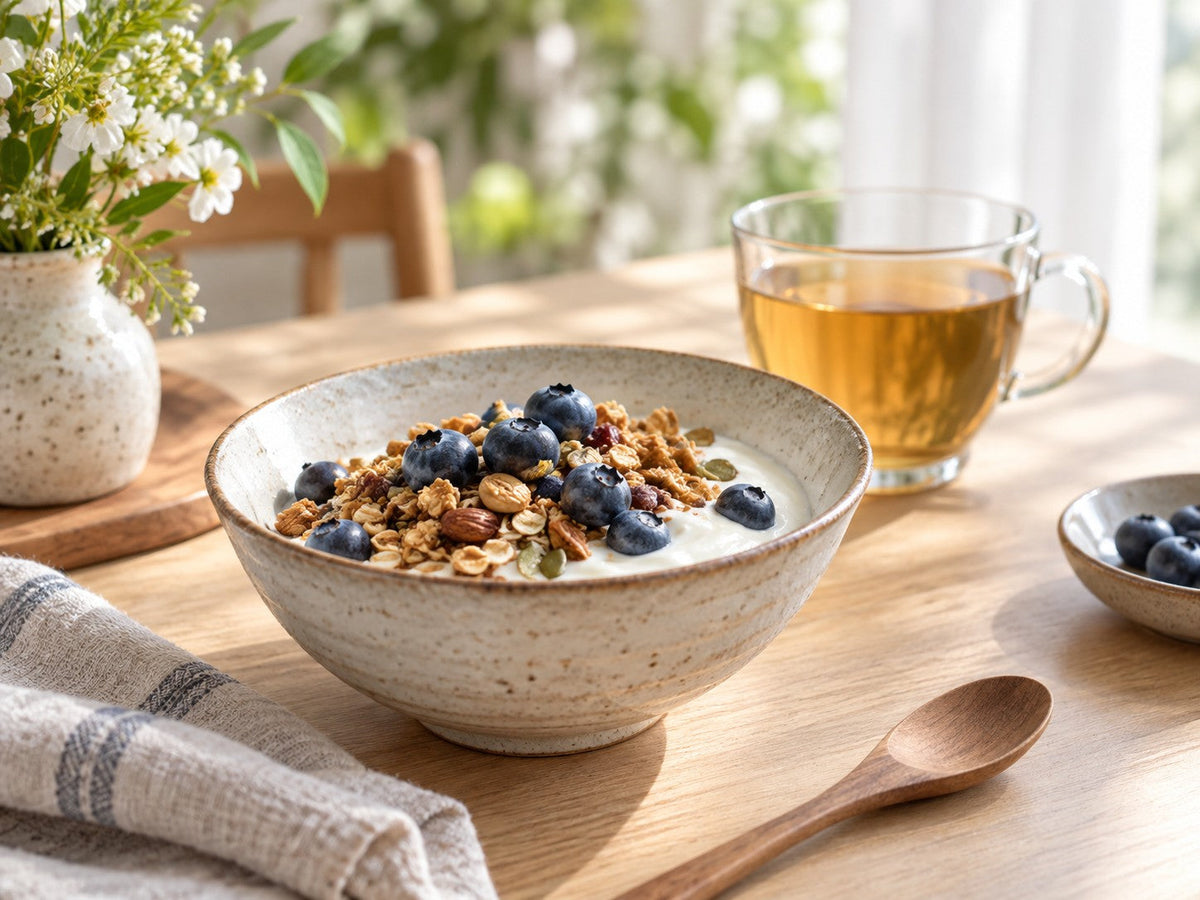
yogurt + fruit

rice + natto + miso soup

oatmeal + nuts + fruit

The meal does not need to be complicated.

The point is not to create a special “gut health breakfast,” but to make small choices that fit naturally into your routine.


7. Sleep and Movement Matter Too

Gut health is often discussed in terms of food, but everyday lifestyle habits matter as well.

Consider:

getting enough sleep

moving your body regularly

avoiding very irregular meal times

making time to rest

Healthy habits do not exist in isolation.

Poor sleep can affect food choices and activity levels. A busy day can reduce movement, push dinner later, and delay bedtime.

That is why gut health is best viewed as one part of your overall lifestyle, not as a food-only issue.


8. You Do Not Have to Be Perfect Every Day

Once you start focusing on health, it is easy to feel that you must eat yogurt, fermented foods, and plenty of vegetables every single day.

But some days you eat out.

Some days convenience-store food is all you have time for.

Some days you eat fewer vegetables.

One less-balanced day does not undo everything.

What matters more over time is gradually bringing your overall diet back into balance.

Gut health is not about eating perfectly.
It is about making more small choices you can realistically keep.


9. If You Use Supplements, Read the Label Carefully

Many supplements contain lactic acid bacteria, dietary fiber, or related ingredients.

Before using one, check:

  • the ingredients used
  • the type and strain of bacteria
  • the amount included
  • suggested daily intake
  • other ingredients in the formula
  • storage instructions

With lactic acid bacteria in particular, the characteristics can differ depending on the species and strain, not only the total count.

Supplements are not a replacement for your everyday diet.

Start with food and lifestyle, then consider whether a supplement makes sense for your needs.


10. Summary

Supporting a healthy gut environment is not about relying on one specific food.

Useful areas to focus on include:

fiber-rich foods

a variety of fermented foods

greater food diversity

regular hydration

sleep, movement, and other lifestyle habits

You do not need to change everything at once.

Add mushrooms to miso soup.

Add fruit to yogurt.

Add one extra vegetable dish.

Start with changes that feel easy enough to repeat.

ELVITA JOURNAL will continue to share practical, approachable information about gut health and everyday nutrition.


Important Note

※This article provides general information about health, nutrition, and lifestyle habits. It does not guarantee the effects or benefits of any specific product or ingredient.
※It is not intended to diagnose, treat, or prevent disease.
0 comments

Leave a comment

腸活

What Should You Eat for Better Gut Health? Everyday Habits That Are Easy to Maintain

ELVITA 編集部Kevin10 min read
腸内環境を整えるために意識したい食生活とは?毎日続けやすい腸活の基本

Gut health is about more than eating one specific food. Learn practical ways to build a more balanced routine through dietary fiber, fermented foods, hydration, food variety, sleep, and movement.

1. Gut Health Is About More Than One Food

When people think about gut health, they often think of things like:

eating yogurt

taking lactic acid bacteria

Fermented foods and beneficial bacteria can certainly be useful topics to explore, but your gut environment is not determined by one food alone.

A wide variety of microorganisms live in the digestive tract, and their composition can be influenced by many factors, including:

  • age
  • sleep
  • physical activity
  • stress
  • daily routines
  • medication use

So rather than thinking only about “adding one special food”, it is more helpful to gradually improve the overall pattern of your everyday diet.


2. Start With Dietary Fiber

Dietary fiber is one of the best-known nutrients associated with digestive health.

It is found in foods such as:

  • vegetables
  • fruit
  • beans and legumes
  • seaweed
  • mushrooms
  • whole grains and other grains

There are different types of dietary fiber, and different foods provide different forms.

Rather than eating large amounts of just one vegetable, try adding variety across the day.

For example:

fruit at breakfast.

vegetables at lunch.

mushrooms or seaweed at dinner.

Small increases in variety can be easier to maintain than a complete diet overhaul.


3. Include Fermented Foods in a Way That Suits You

Japanese diets have long included many fermented foods, including:

  • yogurt
  • natto
  • miso
  • pickled vegetables
  • cheese

Different fermented foods involve different microorganisms and production methods.

It is important to remember that “fermented” does not always mean “rich in live lactic acid bacteria.”

Heat treatment and manufacturing methods can affect the state of microorganisms in the final food.

Even so, fermented foods can be a useful way to add more variety to your diet.

There is no need to force yourself to eat large amounts. Choose foods you genuinely enjoy and can include consistently.


4. Add More Variety to Your Plate

Busy schedules can make meals repetitive.

The same breakfast.

A similar lunch.

A familiar dinner.

That is not necessarily a problem, but adding a little more variety can be helpful when thinking about both nutrition and gut health.

Simple ideas include:

adding beans to your usual salad.

adding mushrooms to miso soup.

mixing multigrains into white rice.

adding fruit to yogurt.

You do not need a perfect menu every day.

Try adding just one ingredient you did not eat yesterday.

Small changes are often easier to continue.


5. Do Not Forget Hydration

When thinking about food, it is easy to overlook hydration.

During a busy workday, you may realize that you have barely had anything to drink.

Try building hydration into moments you already remember:

after waking up.

with meals.

during breaks.

after returning home.

Your fluid needs vary with temperature, activity level, and diet, so there is no need to focus on drinking a large amount all at once.

Aim for regular intake throughout the day.


6. Use Breakfast as an Easy Starting Point

Some mornings are too busy for a full breakfast.

If you do eat breakfast, it can be a convenient time to include foods associated with gut-friendly eating.

For example:

yogurt + fruit

rice + natto + miso soup

oatmeal + nuts + fruit

The meal does not need to be complicated.

The point is not to create a special “gut health breakfast,” but to make small choices that fit naturally into your routine.


7. Sleep and Movement Matter Too

Gut health is often discussed in terms of food, but everyday lifestyle habits matter as well.

Consider:

getting enough sleep

moving your body regularly

avoiding very irregular meal times

making time to rest

Healthy habits do not exist in isolation.

Poor sleep can affect food choices and activity levels. A busy day can reduce movement, push dinner later, and delay bedtime.

That is why gut health is best viewed as one part of your overall lifestyle, not as a food-only issue.


8. You Do Not Have to Be Perfect Every Day

Once you start focusing on health, it is easy to feel that you must eat yogurt, fermented foods, and plenty of vegetables every single day.

But some days you eat out.

Some days convenience-store food is all you have time for.

Some days you eat fewer vegetables.

One less-balanced day does not undo everything.

What matters more over time is gradually bringing your overall diet back into balance.

Gut health is not about eating perfectly.
It is about making more small choices you can realistically keep.


9. If You Use Supplements, Read the Label Carefully

Many supplements contain lactic acid bacteria, dietary fiber, or related ingredients.

Before using one, check:

  • the ingredients used
  • the type and strain of bacteria
  • the amount included
  • suggested daily intake
  • other ingredients in the formula
  • storage instructions

With lactic acid bacteria in particular, the characteristics can differ depending on the species and strain, not only the total count.

Supplements are not a replacement for your everyday diet.

Start with food and lifestyle, then consider whether a supplement makes sense for your needs.


10. Summary

Supporting a healthy gut environment is not about relying on one specific food.

Useful areas to focus on include:

fiber-rich foods

a variety of fermented foods

greater food diversity

regular hydration

sleep, movement, and other lifestyle habits

You do not need to change everything at once.

Add mushrooms to miso soup.

Add fruit to yogurt.

Add one extra vegetable dish.

Start with changes that feel easy enough to repeat.

ELVITA JOURNAL will continue to share practical, approachable information about gut health and everyday nutrition.


Important Note

※This article provides general information about health, nutrition, and lifestyle habits. It does not guarantee the effects or benefits of any specific product or ingredient.
※It is not intended to diagnose, treat, or prevent disease.
※This article is provided for general health and nutrition information only and does not guarantee the effects or benefits of any specific product.

※It is not intended to diagnose, treat, or prevent disease.
Related ELVITA Products

Gut Health EX 60 Capsules

Gut Health EX 60 Capsules

Gut Health EX | A Simple Daily Gut Wellness Routine For those looking to add plant-derived lactic acid bacteria to their daily nutrition. ELVITA Gut Health EX is designed for pe...
View Product